
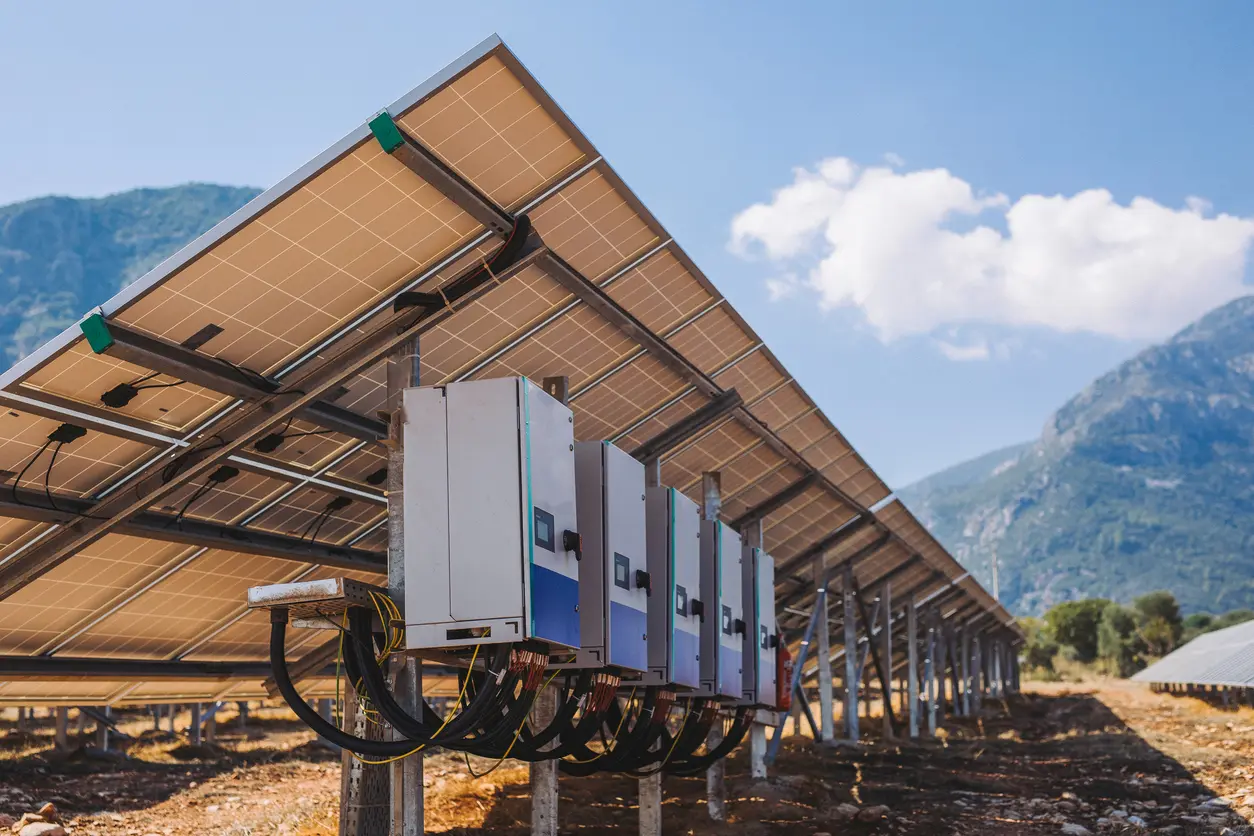
When an industrial electrical system fails without an obvious cause, the culprit could be poorly crafted infrastructure surrounding it. Moisture intrusion, for instance, can quickly corrode essential contacts. Temperature swings add stress to solder joints while wind-blown dust can accumulate enough to impede airflow for circuit boards and other electronic components. Precision engineered weatherproof enclosures for electronics are the secret to protecting the systems that high-performance industries depend on.
An important distinction to be aware of is weather resistant versus weatherproof. A weather resistant enclosure can typically repel light precipitation and mild climates but often lacks the material thickness and finishing treatments needed to withstand continuous outdoor exposure in more harsh or unpredictable climates.
Over a nearly fifty-year period, Fralo Industries has earned a reputation as a reliable sheet metal fabrication partner for data centers and other industrial markets who rely on powerful, but vulnerable electronic systems. In the guide below, we examine the qualities that make an enclosure truly weatherproof. Give us a call to learn how our expertise and capabilities help us engineer exceptionally durable weatherproof enclosures that withstand the toughest outdoor conditions.
Material Selection
One of the fundamental first steps in designing a weatherproof enclosure for electronics is choosing the material. To determine the most effective material for your application, our engineers will need information about the enclosure’s final installation environment. This is because an enclosure destined for a facility along a coastline will need to endure different conditions than one in a midland location, meaning it may require a more corrosion-resistant material.
Weight requirement is another key factor for material selection, particularly when the enclosure is going to be mounted to an existing structure. Budget rounds out the decision process since premium allows to come at a higher cost. Material thickness and structural rigidity align with the chosen alloy to determine how well the enclosure will hold up against impact, flexing, and prolonged environmental stress.
Common Electrical Enclosure Materials
Carbon steel, stainless steel, aluminum, and galvanized steel are the most commonly used materials to create weatherproof enclosures for electronics. Each material offers significant benefits depending on the application.
- Carbon steel: Delivers reliable strength and cost-efficiency, making it ideal for environments where exposure to corrosive elements is limited.
- Stainless steel: Known for its natural corrosion resistance, stainless steel is a popular choice for outdoor environments, including marine locations, where long term durability is a must.
- Aluminum: Lightweight and naturally resistant to corrosion; this is often used when weight constraints or nonmagnetic properties are required.
- Galvanized steel: Has the strength of steel but requires a zinc coating for corrosion protection. Regardless, galvanized steel is still a practical choice for many outdoor electrical enclosures.
Building Strength into Every Bend, Weld, and Seam
In addition to material selection, fabrication quality is a determining factor in how well a weatherproof enclosure for electronics can perform under real world conditions. Accurate bends are integral in preserving the dimensional integrity needed for the doors, panels, and seams to align properly. An out-of-tolerance bend can compromise a seal years later, even if the material itself never fails.
Welds must also achieve complete penetration and dependable quality across each joint, since a poor weld can be the weakest point in an otherwise sturdy enclosure. Proper fit-up between components minimizes gaps that could lead to moisture intrusion or dust accumulation. Reinforcement components, which are typically added at stress points and mounting locations, helps the enclosure deliver lasting performance.
How NEMA and IP Ratings Define Enclosure Protect
NEMA ratings and IP ratings represent an enclosure’s ability to resist dust, wind, moisture, and other elements. However, these are not interchangeable systems. NEMA classifications, specific to North America, consider factors beyond ingress protection. This includes corrosion resistance as well as ice formation in certain applications. IP ratings, an international standard, focus mainly on two numbers reflecting protection against solid objects and liquids.
When choosing a rating, it is important to base the decision on the operating conditions the enclosure will face instead of simply selecting the highest number value. A rating that exceeds the enclosure’s actual requirements can add unnecessary costs. On the flip side, a rating that is too low risks premature enclosure failure.
Determining the required protection level also hinges on more than the enclosure as a whole. Each entry point requires proper protection, including:
- Doors and access panels
- Seams and joints
- Cable and conduit entries
- Hinges, latches, and mounting points
Surface Finishing to Prevent Corrosion
Even perfectly matched material and expert fabrication cannot guarantee long term weather resistance without the right finishing treatments. Powder coating is frequently used to add a durable, chemically resistant layer and sleek appearance. Galvanizing is a technique that involves a coating of zinc that protects steel enclosures even if the surface becomes scratched.
Plating and other specialized finishes are used for unique environmental challenges like extreme humidity. With the right base material and the right finishing treatment, a weatherproof enclosure for electronics can provide years of service.
Design for the Future: Installation & Serviceability
An industrial-grade weatherproof enclosure for electronics should be designed with its entire lifecycle in mind. Adding removal panels is a great option for ensuring easy service access without compromising the enclosure’s protective seal.
Hinged doors also contribute to convenient serviceability while preserving proper closure and gasket compression. Cable routing components organize critical wires and protect them against pinching, abrasion, and moisture exposure.
Get Truly Weatherproof Enclosures for Electronics with Fralo Industries
Behind every dependable weatherproof enclosure for electronics is deliberate material selection, precision fabrication, appropriate NEMA and IP ratings, proper surface finishing, and serviceability-focused design. These elements work in tandem with one another to safeguard sensitive electrical systems against the conditions they will face during their lifecycle.
Fralo Industries’ sheet metal fabrication and assembly expertise guides every enclosure we build. Our goal is to help data centers and other high-tech organizations shield their most valuable electronic equipment. Reach out to us today for more information about our capabilities and materials.